Purple Aster: A Bloom of Grace, Wisdom, and Healing

The Soulful Purple Aster: A Bloom of Grace, Wisdom, and Healing

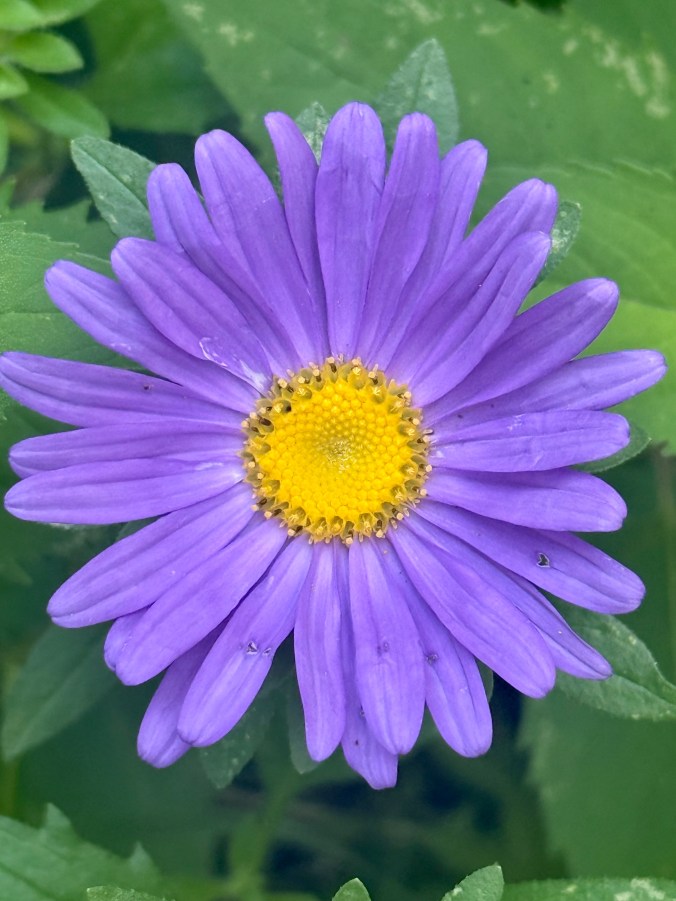
There’s something quietly magical about the purple aster. With its delicate petals and vibrant violet hues, it’s more than just a beautiful garden flower—it’s a symbol of wisdom, healing, and spiritual reflection.

Purple asters invite us to pause, breathe, and reflect. In the language of flowers, they speak of patience, devotion, and inner peace, reminding us that beauty often emerges in the quietest moments. When you take a moment to observe their intricate petals, you might notice how effortlessly they open toward the sun, a gentle lesson in resilience and grace.

The Soulful Symbolism of the Purple Aster

Historically, asters have been associated with spiritual wisdom, remembrance, and faith. Their purple hue connects us to higher consciousness and introspection. Keeping a purple aster nearby or including it in your garden can serve as a mindful reminder to nurture your inner self, practice patience, and honor the cycles of life.

Benefits of Surrounding Yourself with Purple Asters

  1. Promotes Calm and Reflection: Their gentle presence encourages mindfulness and can help quiet the mind during stressful days.
  2. Supports Emotional Healing: Symbolically, asters represent emotional balance, helping us process grief, release tension, and invite serenity.
  3. Encourages Mindfulness Practices: Purple asters are ideal companions for meditation, journaling, or simply enjoying moments of stillness in nature.
  4. Enhances Creativity and Inspiration: Their vibrant color can inspire art, writing, and personal reflection, connecting you to your inner wisdom.
  5. Connects You to Nature’s Rhythms: Watching asters bloom with the seasons reminds us of patience, growth, and transformation.

Mindful Ways to Enjoy Purple Asters

  • Place a small bouquet on your desk, bedside, or meditation space as a daily reminder to pause and breathe.
  • Observe the petals in detail, letting their color, texture, and form inspire gratitude and presence.
  • Use them in journaling practices: write reflections, affirmations, or intentions inspired by the flower’s calm energy.
  • Pair with mindful movement or gentle yoga for a grounded, heart-centered practice.

The purple aster is more than a garden flower—it is a gentle teacher of mindfulness, patience, and grace. Its presence invites us to slow down, honor the beauty around us, and connect with the wisdom within.

Let the purple aster be a quiet companion on your journey toward healing, reflection, and spiritual growth, reminding you that even the smallest blooms carry profound lessons.
If you love my content and want more tools for mindfulness & movement, check out my digital products on Buy Me a Coffee! Your support helps me continue creating. 

Looking for the tools and products I swear by? Visit my Amazon storefront for a handpicked collection of my favorite finds—from kitchen gadgets to wellness essentials. Click here to explore and shop my must-haves.

Interested in being part of my essential oil community and are ready to start using pure essential oils, shop here or email me for a free 1:1 consultation.

The Soulful Wisdom of the Zinnia

The zinnia is more than just a burst of color in the garden—it’s a vibrant symbol of endurance, remembrance, and joy that lasts.

Native to Mexico and Central America, this radiant flower was named after Johann Gottfried Zinn, a humble botanist whose legacy lives on in every bloom. For centuries, zinnias have carried messages beyond their petals—whispers of lasting friendship, constancy, and the quiet power of being remembered.

In the language of flowers, giving a zinnia was a way to say, “You are thought of, you are cherished.” Some traditions even believed zinnias held protective energy—shielding homes from heaviness and gently inviting light and positive energy to grow.

What I love most about the zinnia is its quiet resilience. It thrives in the heat and blooms through dryness. It doesn’t demand attention, yet it catches your eye with a kind of effortless beauty. The zinnia reminds us that strength can be radiant and that beauty can flourish—even in the toughest seasons.

Each color carries its own soulful meaning:

  • Red symbolizes heartfelt friendship and affection
  • Yellow speaks of daily remembrance and joy
  • Pink represents lasting bonds
  • White offers a message of purity and goodness

The zinnia is a gentle companion in the garden—a teacher of grace, a keeper of subtle joy. It reminds us that blooming doesn’t require perfection, and joy doesn’t have to shout to be felt.

So today, I offer you this zinnia—not as a decoration, but as a reminder that:

That joy can be simple.
That blooming doesn’t have to be loud.
That your presence is already enough.

Let this quiet flower speak to you in whatever way you need. And may its wisdom take root in your days.

If you love my content and want more tools for mindfulness & movement, check out my digital products on Buy Me a Coffee! Your support helps me continue creating. 

Looking for the tools and products I swear by? Visit my Amazon storefront for a handpicked collection of my favorite finds—from kitchen gadgets to wellness essentials. Click here to explore and shop my must-haves.

Interested in being part of my essential oil community and are ready to start using pure essential oils, shop here or email me for a free 1:1 consultation.

Marigold Flowers: Vibrant Blooms with Powerful Garden

Marigolds are more than just cheerful, golden-orange blooms that brighten up garden beds and borders. These hardy flowers are beloved for their vibrant color, ease of care, and incredible benefits for your garden and beyond. From attracting pollinators to naturally repelling pests, marigolds are a gardener’s secret weapon for creating a thriving, beautiful outdoor space. Discover why these classic flowers deserve a spot in every garden and how you can grow them with success.

The Benefits of Marigold Flowers

  1. Natural Pest Repellent Marigolds are known for their ability to repel unwanted pests like aphids, nematodes, and even mosquitoes. Their distinct scent helps keep harmful insects away, making them a perfect companion plant in vegetable gardens.
  2. Attracts Pollinators While keeping pests at bay, marigolds also invite beneficial insects such as bees, butterflies, and ladybugs, supporting pollination and overall garden health.
  3. Low Maintenance and Hardy Marigolds are incredibly easy to grow and thrive in poor soils, heat, and full sun. They require minimal care, making them ideal for both beginner and seasoned gardeners.
  4. Long Blooming Season These vibrant flowers offer continuous color from spring to frost, bringing life and brightness to your garden for months.
  5. Medicinal and Culinary Uses Marigolds have been traditionally used in herbal remedies for skin conditions and inflammation. Their petals are also edible and can add color and subtle flavor to salads and teas.
  6. Improves Soil Health Certain marigold varieties release compounds into the soil that suppress harmful nematodes and improve soil quality for future plantings.

With their vibrant beauty and practical benefits, marigolds are more than just ornamental—they’re a true multitasker in any garden.

A few years ago I got to meet a lovely man from India who would attend my yoga classes. He always left me a marigold on my blanket or mat as he left. I often wondered why. This year when I was planting flowers, I decided to do some digging on the symbolism of them.

Marigolds are known as the “herbs of the Sun”.

They symbolize creativity, passion, brightness, positivity and happiness.

In some traditions, marigold seeds are planted in pots as a symbol of auspiciousness and patience to wait for the divine.

In the folklore, the marigold is considered a flower with magical powers. It prevents evil from entering the home, and carrying a marigold flower brings good luck, a joyful day, and protects from evils.

Modern meanings value the color and sunny beauty, which gives the flower a sense of optimism and a desire for success.  Therefore, you can use it to express the will to succeed, the beauty and warmth of the rising sun, or to share your joy and your good understanding of the relationship.

Their use in celebrations is believed to be tied to a romantic Aztec origin myth about two lovers. According to the legend, the lovers would often hike to the top of a mountain to leave flower offerings for the sun-god, and to swear their love and commitment to one another.

For centuries, Día de Muertos celebrations in Mexico have been characterized by the vibrant yellow and orange hues of the marigold flower. Marigolds are also referred to as “flowers of the dead”, it’s believed that the scent of these bright orange blooms help attract souls to the altar.

Pretty awesome, eh?

If you love my content and want more tools for mindfulness & movement, check out my digital products on Buy Me a Coffee! Your support helps me continue creating. 

Looking for the tools and products I swear by? Visit my Amazon storefront for a handpicked collection of my favorite finds—from kitchen gadgets to wellness essentials. Click here to explore and shop my must-haves.

Interested in being part of my essential oil community and are ready to start using pure essential oils, shop here or email me for a free 1:1 consultation.

The Beauty and Benefits of Black-Eyed Susans: A Gardener’s Guide

Black-Eyed Susans (Rudbeckia hirta) are more than just a cheerful burst of golden yellow in the garden—they’re hardy, pollinator-friendly, and surprisingly easy to grow. These iconic wildflowers light up borders, attract bees and butterflies, and thrive in a variety of conditions, making them a favorite for gardeners of all levels. Whether you’re planting a pollinator garden or simply looking to add long-lasting color, discover why Black-Eyed Susans deserve a spot in your landscape.

I have noticed that I am drawn to this type of flower–the petal kind vs the bud type. I have been growing these in my garden the last few years and they bring such happiness to my heart. They seem to just smile back at me when I smile at them. Plus, my veggie garden loves having them share space.

Maybe there is some intuitive truth to why I am drawn to these guys.

The Black-eyed Susan is the symbol of encouragement.

Considering its history of adaptability when it traveled from west to east, this is obviously a plant that in its determination to survive will bloom where it’s planted. And if there is one thing gardeners need, especially around mid-August, it’s encouragement.

Black-eyed Susans are known for being highly adaptable and for surviving just about anywhere. They’re resilient plants that can thrive even in inhospitable environments. This beautiful wildflower last incredibly long, growing in front yards, roadsides, and even in pavement cracks. They have become perfect symbols of resilience, motivation and encouragement.

After the flower has bloomed, the petals start to droop and expose the dark brown center. The way its center is exposed may also represent justice in a poetic way. Its golden petals shine a light to its otherwise dark center, similar to how justice brings light in the darkness. This light does not mean to condemn but encourages people to overcome and accept whatever darkness is inside of them.

No wonder I love them so much. I am all about being resilient and blooming wherever I am. ?

The Benefits of Black-Eyed Susans (Rudbeckia hirta)

 Pollinator Magnet
Black-Eyed Susans are loved by bees, butterflies, and other pollinators. Planting them helps support local ecosystems and attracts beneficial insects to your garden.

 Low Maintenance and Hardy
These bright wildflowers thrive in poor soil, tolerate drought, and require little care, making them ideal for both beginner and experienced gardeners.

 Long Bloom Season
From midsummer through fall, Black-Eyed Susans bring cheerful, golden blooms that light up any landscape for months.

 Supports Wildlife Year-Round
Beyond feeding pollinators, their seed heads provide an important food source for birds in late summer and autumn.

Versatile in Landscaping
Perfect for wildflower meadows, cottage gardens, and borders, Black-Eyed Susans fit seamlessly into almost any garden style.

 Erosion Control
Their deep roots help stabilize soil and prevent erosion, making them a great choice for slopes and disturbed ground.

 Rich Medicinal History
Historically, Native Americans used Black-Eyed Susans for minor ailments like colds and infections, adding cultural value to their beauty.

With so many benefits, it’s easy to see why Black-Eyed Susans are a favorite for gardeners looking to combine beauty with purpose.

Black-eyed Susan also are an important source of food and shelter for many insects, birds, and, animals. Goldfinches sparrows, cardinals, nuthatches, and chickadees, are frequent birds eating the seeds. I see lots of little birds playing around these flowers.

If you love my content and want more tools for mindfulness & movement, check out my digital products on Buy Me a Coffee! Your support helps me continue creating. 

Looking for the tools and products I swear by? Visit my Amazon storefront for a handpicked collection of my favorite finds—from kitchen gadgets to wellness essentials. Click here to explore and shop my must-haves.

If you would love to be part of my essential oil community and are ready to start using pure essential oils, shop here or email me for a free 1:1 consultation.
DIY Floral-Infused Body Butter for Glowing Skin

DIY Floral-Infused Body Butter for Glowing Skin

There’s something magical about capturing the essence of your garden and turning it into skincare. This dreamy, whipped body butter is infused with flowers like lilac, peony, rose, and calendula—each bringing their soothing, hydrating, and uplifting properties into your daily ritual. If you love botanical beauty and want to nourish your skin naturally, this one’s for you.

Why Floral-Infused Body Butter?

Infusing oil with dried blooms adds subtle fragrance and powerful skin-loving properties:

• Lilac: Known for its calming and lightly astringent qualities.

• Peony: Softens and soothes sensitive or dry skin.

• Rose: A classic for hydration, balance, and emotional comfort.

• Calendula: A skin-healer and anti-inflammatory hero.

Ingredients:

Floral-Infused Oil:

• carrier oil (like fractionated coconut oil, sweet almond, jojoba, or sunflower oil)

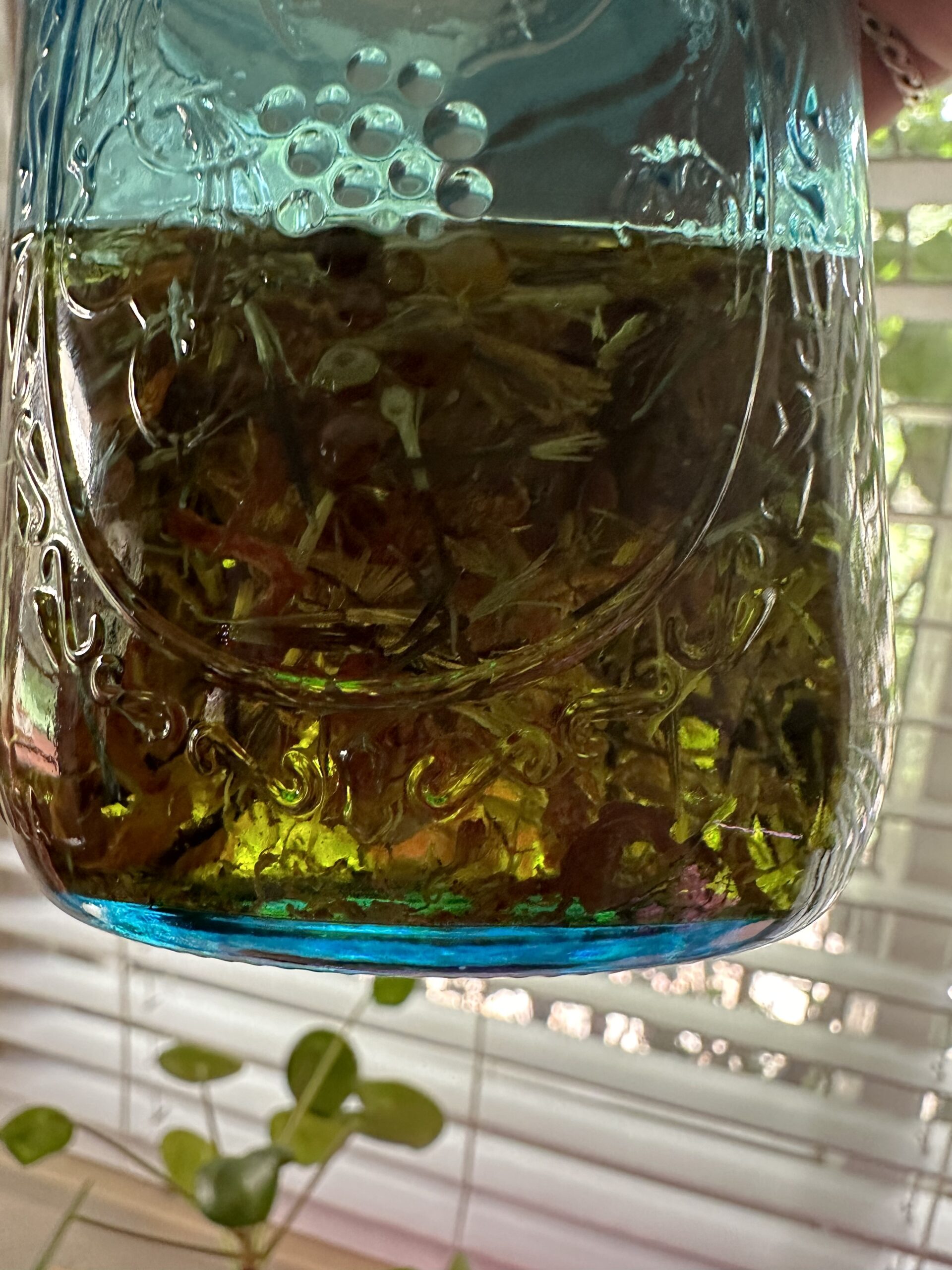
• fill quart size jar with lilac, peony petals, rose petals, and calendula

Body Butter Base:

• 2 cups shea butter

• 2 cups of your infused floral oil

• 6 tablespoons beeswax pellets

• 10–15 drops of essential oils (rose, lavender, or geranium pair beautifully—optional)

How to Make Floral-Infused Oil:

1. Add your dried flowers to a clean glass jar.

2. Pour carrier oil over the flowers to cover.

3. Seal and place the jar in a sunny windowsill for 1–2 weeks, shaking gently each day.

• Or use the quick method: Warm oil and flowers in a double boiler on low heat for 1–2 hours.

4. Strain oil through cheesecloth or a fine strainer into a clean jar. Your floral oil is ready!

How to Make the Body Butter:

1. In a double boiler, melt the shea butter and coconut oil until fully liquid.

2. Remove from heat. Stir in the infused floral oil and vitamin E.

3. Let the mixture cool slightly, then place in the fridge until it begins to solidify (about 1 hour).

4. Once semi-solid, whip with a hand mixer for 3–5 minutes until fluffy.

5. Add essential oils and whip again briefly.

6. Spoon into clean jars and label. Store in a cool place away from direct sunlight.

To Use:

Massage a small amount into damp skin after a shower or bath. A little goes a long way! Let the botanical blend work its magic as you inhale the subtle floral scent.

Making your own floral-infused body butter is a beautiful way to connect with nature, slow down, and nourish your skin with intentional care. It’s a garden-to-body ritual that feels both luxurious and grounding.

Let me know if you try this recipe—or share your favorite floral pairings below!

If you love my content and want more tools for mindfulness & movement, check out my digital products on Buy Me a Coffee! Your support helps me continue creating. 

Looking for the tools and products I swear by? Visit my Amazon storefront for a handpicked collection of my favorite finds—from kitchen gadgets to wellness essentials. Click here to explore and shop my must-haves.

If you would love to be part of my essential oil community and are ready to start using pure essential oils, shop here or email me for a free 1:1 consultation.
The Benefits of Gardening

The Benefits of Gardening + 5 Easy Vegetables & Flowers to Grow for Beginners

There’s something incredibly healing about placing your hands in the soil, feeling the sun on your back, and watching something grow under your care. Gardening is more than just a hobby—it’s a grounding ritual, a way to connect with the earth and your inner calm.

For me, gardening has become a gentle form of therapy. On days when my body aches or my mind feels overwhelmed, tending to even a small garden brings me back to the present. The rhythm of watering, weeding, and nurturing offers a simple joy that can’t be found in screens or busy schedules.


The Healing Benefits of Gardening

Whether you’re working with a big backyard or a few pots on a patio, gardening offers many benefits:

  • Reduces stress and anxiety: Tending to plants activates the parasympathetic nervous system, promoting calm and relaxation.
  • Boosts mood and mental clarity: Just 20 minutes outside in the garden can increase serotonin and help reduce brain fog.
  • Encourages gentle movement: Digging, bending, and planting offer mindful, low-impact physical activity.
  • Promotes healthy eating: Growing your own food makes it easier to nourish your body with fresh, seasonal produce.
  • Connects you with nature: Gardening brings awareness to the seasons, weather, and rhythms of the earth—things we often overlook in busy life.

Top 5 Vegetables for Beginner Gardeners

If you’re new to gardening, these veggies are forgiving, productive, and perfect for beginners:

  1. Cherry Tomatoes – Easy to grow in containers or garden beds. They thrive in full sun and reward you with a burst of sweetness all summer long.
  2. Zucchini – Zucchini grows quickly and abundantly with very little effort. One plant can keep you well-stocked for weeks.
  3. Lettuce – Grows fast and doesn’t need a lot of space. You can even harvest leaves as needed for salads.
  4. Radishes – These root veggies mature in as little as 3–4 weeks and are fun to grow with kids.
  5. Green Beans – Whether you choose bush or pole varieties, green beans are reliable, tasty, and great for beginner hands.

Top 5 Flowers for Beginner Gardeners

Flowers bring pollinators, beauty, and joy. These blooms are easy to grow and great for first-time gardeners:

  1. Marigolds – Hardy and pest-resistant, these sunny blooms also protect vegetables from unwanted bugs.
  2. Zinnias – Fast-growing, colorful, and loved by bees and butterflies.
  3. Sunflowers – Tall, cheerful, and incredibly easy. They grow quickly and bring instant delight.
  4. Calendula – Not only pretty, but also edible and great for herbal remedies like salves and teas.
  5. Cosmos – Delicate and wispy, cosmos add charm and require minimal effort to flourish.

Final Thoughts

You don’t need a green thumb or fancy tools to begin. Just a bit of curiosity, some sunshine, and a willingness to nurture something tiny into something beautiful. Start small, stay curious, and let your garden grow alongside you.

If you’re already gardening—or just getting started—I’d love to hear what you’re planting this season. Let’s grow together. ?

With dirt under our nails and joy in our hearts,
Stacie

If you love my content and want more tools for mindfulness & movement, check out my digital products on Buy Me a Coffee! Your support helps me continue creating. 

Looking for the tools and products I swear by? Visit my Amazon storefront for a handpicked collection of my favorite finds—from kitchen gadgets to wellness essentials. Click here to explore and shop my must-haves including gardening tools!

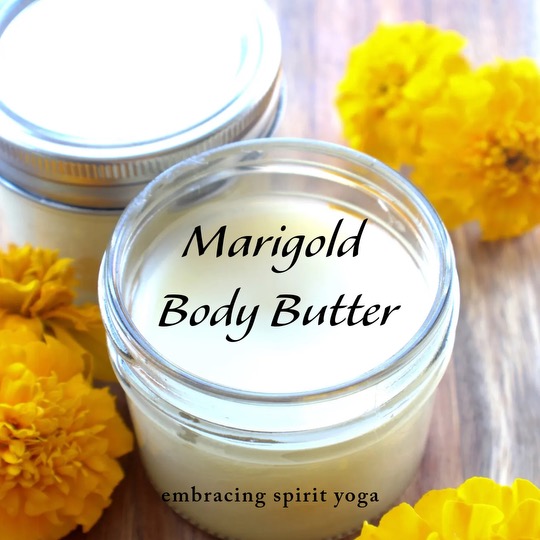
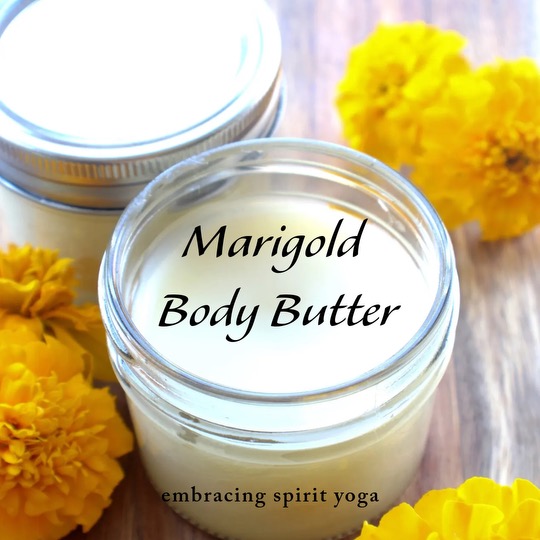
Marigold Body Butter

Yes, that is right! I am a believer in body butter for my skin and it is the only thing I use! Adding in some flower power just makes it better! Marigold petals are rich in antioxidants, which can help reduce inflammation and protect cells from free radical damage. They also contain compounds that can help stimulate collagen production in the skin, which can reduce the signs of aging. So why not add some marigold to my already amazing body butter!

I have been collecting marigolds all month before they freeze outside and infusing oil with them. This has been the BEST body butter I have ever made. It’s creamy, soothing and don’t worry, it loses the marigold smell which can be super pungent. What you don’t lose is the powerful benefits.

If you are not a fan of DIY projects I probably will have 10-15 more jars before it’s all gone. Get on the list! Just email me!

Marigold works best with most skin types. It can help with skin prone to dry spells, eczema and psoriasis. It can also help skin that is experiencing inflammation, sun burn, rashes and redness and even more!

Due to its antiseptic, anti-inflammatory and anti-fungal properties, marigold is something that should make its way to everyone’s home apothecary cabinet.

Making Marigold Oil for Body Butter

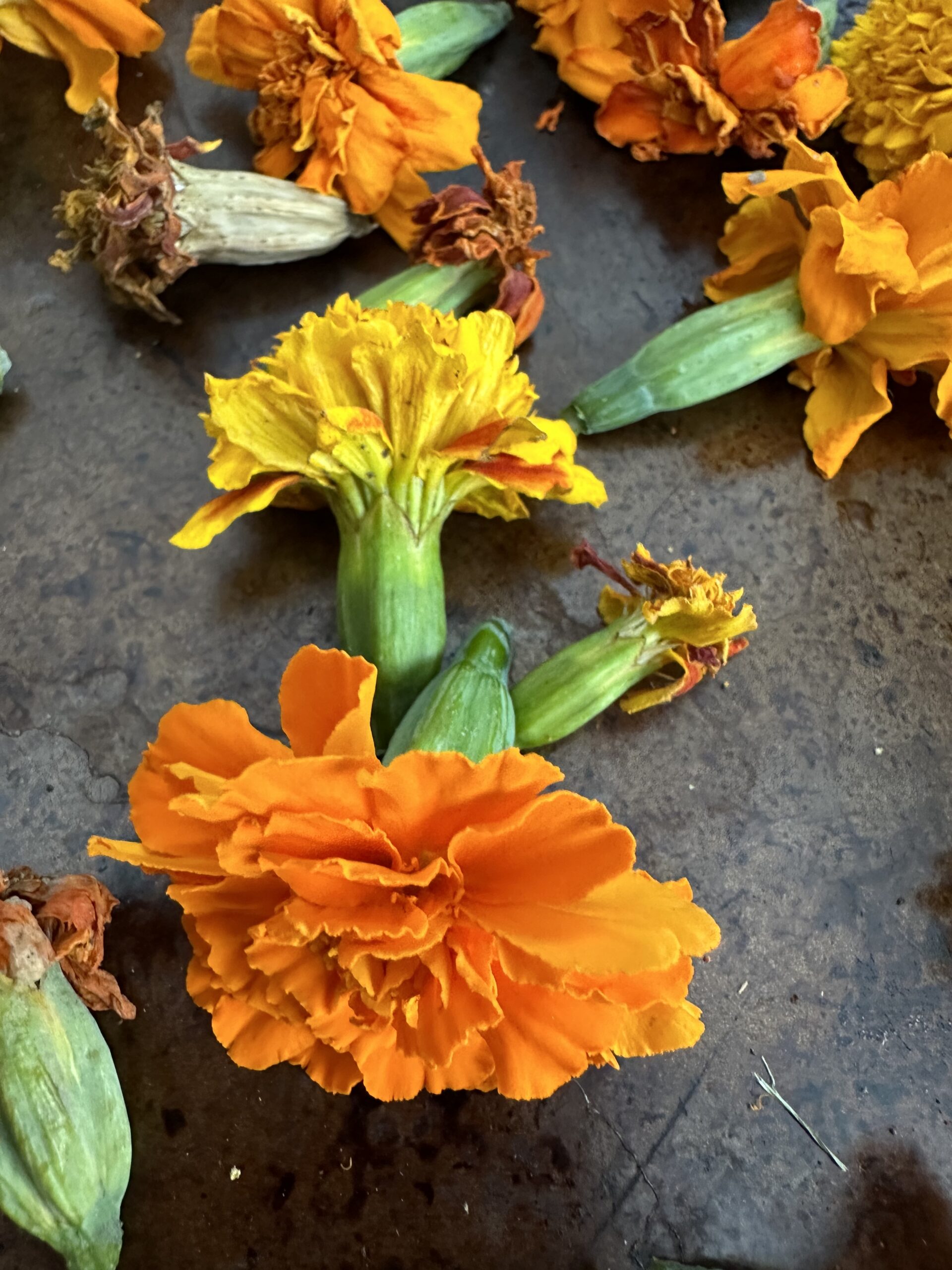
You’ll need to plan a little ahead for this body butter so be sure to read this first and then get going. The first step is to gather marigold blossoms and let them dry. Pick the blossoms off and set on a cookie sheet or tray to dry outdid, but not directly in the sun. Once they get a little dry, pull the green part off and gently remove the seeds (they look like tiny match sticks). Continue to let them dry for 2-3 days. Grab a pint size mason jar and add the dried flowers and seeds.

You’ll need about one cup of infused oil so be sure to add enough almond or grapeseed oil to completely submerge the flower parts and give enough extra for the body butter. I let mine sit for three days before I made the butter.

Making the Body Butter

•one cup shea butter

•one cup strained marigold oil (use a strainer to catch the flower parts)

• three tablespoon beeswax pellets

• 1/4 cup almond oil

• splash of vegetable glycerin (optional)

• 20-30 drops of your fave essential oils  For this butter I added ylang ylang, magnolia and peppermint.

• Put all of the ingredients except the essential oils into a mason jar. Place the jar in a pot of simmering water until it melts. Once it is all melted together, pour into a glass bowl to become hard again. I even put the bowl in fridge for a while. Once it is hard, add the essential oils and whip with a hand mixer until fluffy. Store in glass jars. ENJOY!

And just like that you have marigold infused body butter packed with skin supporting ingredients!


The Honeysuckle

This little lady gave me quite a smile this morning when I sat out on my back porch for coffee. The color! This beautiful honeysuckle was a last minute purchase about a month ago since the gardening season is just about over here in Colorado. When I walk between classes near one of the group homes I teach at there is a house with a few growing along the fence and I decided I needed one. ?

I didn’t realize that honeysuckles can be so pink in color—I have only seen yellow or orange ones, and I didn’t know they would keep blooming past springtime.

I did some digging and this is what I found out about them—

The honeysuckle is a symbol of pure happiness. In addition, it conveys messages of sweetness and affection, thanks to the sweet smelling aroma it gives off. At its heaviest interpretation, the honeysuckle represents the flames of love, and the tenderness for love that has been lost. The honeysuckle will literally cling to whatever it is growing next to, resembling a lover’s embrace, and therefore giving the appropriate symbolism.

Honeysuckle can be used for abundance, learning, concentration, affection, protection, devoted love, wishes, wealth, intuition, clarity, clairvoyance, fidelity, attraction, divination, physical ability, prosperity, secrets, calm, change, confidence, creativity, the mind, peace, generosity, destiny, breaking hexes, honesty, inspiration, and balance.

I’ll take it! What a sweet surprise!

Follow me for more goodness!

The Dandelion


“Hello, I’m a dandelion.
A lot of people call me a weed but I’m a friend and come to help you!

When you see me, remember that I’m the ONLY one who wants and can grow in that particular spot. Because:

Either the soil is too compact / hard / stomped and I want to loosen it for you with my roots.

Or there is too little calcium in the soil – don’t worry, I will replenish that for you with the dying of my leaves.

Or the soil is too acidic. But I will also improve that for you if you give me the chance.
Or a mixture of the above reasons, of course. ?

I’m here because your soil needs my help so best you let me grow without disturbing me! When everything is fixed, I will disappear again, I promise!

Are you trying to remove me prematurely with my root? However meticulous you are, I will return 2x as strong! Just until your soil is improved.

You can even tell by my growth at which stage my help is at. If my leaves are flat on the ground then I’m far from ready but if they all reach up then I’m already a long way on my way.

Something completely different is that I am 1 of the first bloomers in spring so I will announce spring / summer for you.

During the day when it’s hot, I open my flowers but in the evening when it cools off I close them again quickly. In fact, if it’s not hot enough during the day I won’t open them at all!

My flowers are the first food for insects after hibernation and unlike most other plants, I have pollen AND nectar, not merely one OR the other! And I am generous with them! ?

My flowers are even delicious for you people by the way, did you know? I used to be called ??honey (or gold) of the poor?? because my flowers are so sweet in e.g. jam, sauce or salad! The internet is full of recipes – check them out.

But wait until the end of May or later before you start picking and even then, don’t pick everything yet! The biodiversity and bees will be very grateful!”

Text By Paula Kok – De Boer
Illustration By Juliste Cavallini

Follow me for more goodness.

Thistle

Did you know that thistle is actually part of the sunflower family!?

I saw this thistle today and was amazed by its beauty. It is one plant I enjoy in other peoples garden or in nature that is for sure.

I did a little digging about this plant that is stubborn and plentiful.

Here is what I found:

Considered one of nature’s toughest flowers, it’s one of the most debated plants by most gardeners. Some call it a weed while others view it as an excellent source of medicine and food, as well as a beautiful ornamental plant. Certain varieties are considered beneficial to wildlife because they produce a substantial amount of food for insects and birds and their foliage is also used by butterflies.

The thistle represents overcoming adversity and difficult situations. It’s a symbol of resilience. In Celtic regions, the thistle represents devotion, bravery, determination, and strength. In the Basque region of France, the thistle is considered a symbol of protection. It is also called the “flower of the sun“ and the “herb of witches”. It’s used as protection against evildoers because people believe that witches cannot look directly at the sun. The thistle is often seen on the front doors of the homes of this region. The flower’s pink and purple colors represent nobility and royalty.

Milk thistle, another variety, contains a chemical known as silymarin. Research suggests that it has bolstering effects on the liver and it is widely sold in various cleansing and detox products. Full of nutrients, the thistle has been found to contain higher vitamins and minerals compared to other more common vegetables. Various parts of the plant can make excellent additions to stews and salads, albeit with careful preparation.

I appreciate taking milk thistle for my health and observing her beauty, but I try to avoid them in my yard.

Floral Essential Oils

I have never been a huge floral essential oil fan. Somehow the essential oils in this category are growing on me more and more. It is interesting that the primary benefit of all floral essential oils are calming and soothing, so maybe that explains it.

Florals are calming for skin, joints and mood. Sounds like a perfect solution for many things, right?

Clary Sage, GeraniumHelichrysumLavenderRoman Chamomile, and Ylang Ylang are all considered some of the doTERRA floral oils. Frequently used in perfumes, these oils come from the flower of their plant of origin, whether it be an herb or tree. This is with the exception of Geranium that comes from the flower as well as the rest of the plant.

About Floral Essential Oils


The common properties that the floral oils share include emotional benefits as well as benefits to the skin and hair. Lavender, Ylang Ylang, and Clary Sage have calming properties when you need stress-relief. To smooth or improve the appearance of skin, all you need is Geranium, Helichrysum, or Roman Chamomile. Clary Sage, Geranium, Roman Chamomile, or Ylang Ylang can all be added shampoo or conditioner (or massaged directly onto your scalp) to give your hair and scalp a healthy appearance.

A few of the best floral essential oils:

Clary Sage

  • During your menstrual cycle, apply two to four drops to abdomen for a soothing abdominal massage
  • Apply one to two drops to the bottom of your feet or on pulse points to take advantage of the powerfully soothing aroma
  • Apply one to two drops to your pillow for a restful night’s sleep

Geranium

  • Combine with Fractionated Coconut Oil to give your partner a sensual massage
  • Apply under your arms after a sweaty workout or a day in the sun
  • Place one drop in the palm of your hands, rub hands together, and cup over nose and mouth and breathe slowly for a grounding effect
  • Add to your next DIY potpourri
  • Put a few drops on a cotton ball and place around your home to naturally repel insects

Helichrysum

  • Apply topically to reduce the appearance of blemishes
  • Apply to the face to reduce the appearance of wrinkles and to promote a glowing, youthful complexion
  • Use Helichrysum in conjunction with a full body massage to promote vitality and energy
  • Massage into the temples and back of neck for a soothing sensation
  • Take two drops in a veggie capsule, as it may help promote a healthy metabolism*

Lavender

  • Use directly on skin to soothe the occasional skin irritation, or to reduce the appearance of skin imperfections
  • Take in water or a veggie capsule to reduce anxious feelings and help ease feelings of tension
  • Add a few drops of Lavender to pillows, bedding, or bottoms of feet for a restful night’s sleep
  • Refresh your mattress, car, or even the air with a light mist of a few drops Lavender combined with water in a spray bottle
  • Use in cooking to soften citrus flavors and add a flavorful twist to marinades, baked goods, and desserts
  • Take one to two drops internally in a veggie capsule for a peaceful sleep

Roman Chamomile

  • Take one to two drops in water to soothe the systems of the body
  • Has a calming effect on the mind and body when taken internally
  • Taking one to two drops in a veggie capsule may help to support healthy immune system function
  • Set the stage for sleep by diffusing one to two drops, or apply to the bottom of your feet at bedtime
  • Diffuse to soothe away feelings of anger and irritability
  • Apply to wrists and neck for a peaceful evening at home
  • Apply to chest over heart for feelings of well-being

Ylang Ylang

  • Add to doTERRA Fractionated Coconut Oil for a deep hair conditioner and beat the damaging summer heat
  • Diffuse two to four drops to promote a positive outlook
  • Take one to two drops internally for antioxidant support
  • Create relaxing atmosphere by adding it to an Epsom salt bath to help you unwind

How to get floral essential oils in your home

If you are curious how to use essential oils and need to basics, check out this gorgeous ebook and then reach out to me for some guidance and samples.

*These statements have not been evaluated by the Food and Drug Administration. This product is not intended to diagnose, treat, cure, or prevent any disease.