Post-Hip Replacement Rehab Series Part 3 | Seated Balance & Tree Pose Prep for Hip Stability
In Part 3 of the Post-Hip Replacement Rehab Series, we focus on seated balance and gentle tree pose preparation—a beautiful combination for building confidence, strength, and coordination during your healing process.
This practice is designed for those who may not yet feel ready to stand but are eager to engage their hip flexors, improve postural awareness, and activate stabilizing muscles—all while seated.
Whether you’re in early recovery or looking for seated practices to supplement your healing, this class offers accessible yet powerful movement with compassion at its core.
Let this gentle practice guide you into deeper strength and steadiness—right from your chair.
With love and support, Stacie
If you love my content and want more tools for mindfulness & movement, check out my digital products on Buy Me a Coffee! Your support helps me continue creating.
Looking for the tools and products I swear by? Visit my Amazon storefront for a handpicked collection of my favorite finds—from kitchen gadgets to wellness essentials. Click here to explore and shop my must-haves.
The Benefits of Gardening + 5 Easy Vegetables & Flowers to Grow for Beginners
There’s something incredibly healing about placing your hands in the soil, feeling the sun on your back, and watching something grow under your care. Gardening is more than just a hobby—it’s a grounding ritual, a way to connect with the earth and your inner calm.
For me, gardening has become a gentle form of therapy. On days when my body aches or my mind feels overwhelmed, tending to even a small garden brings me back to the present. The rhythm of watering, weeding, and nurturing offers a simple joy that can’t be found in screens or busy schedules.
Promotes healthy eating: Growing your own food makes it easier to nourish your body with fresh, seasonal produce.
Connects you with nature: Gardening brings awareness to the seasons, weather, and rhythms of the earth—things we often overlook in busy life.
Top 5 Vegetables for Beginner Gardeners
If you’re new to gardening, these veggies are forgiving, productive, and perfect for beginners:
Cherry Tomatoes – Easy to grow in containers or garden beds. They thrive in full sun and reward you with a burst of sweetness all summer long.
Zucchini – Zucchini grows quickly and abundantly with very little effort. One plant can keep you well-stocked for weeks.
Lettuce – Grows fast and doesn’t need a lot of space. You can even harvest leaves as needed for salads.
Radishes – These root veggies mature in as little as 3–4 weeks and are fun to grow with kids.
Green Beans – Whether you choose bush or pole varieties, green beans are reliable, tasty, and great for beginner hands.
Top 5 Flowers for Beginner Gardeners
Flowers bring pollinators, beauty, and joy. These blooms are easy to grow and great for first-time gardeners:
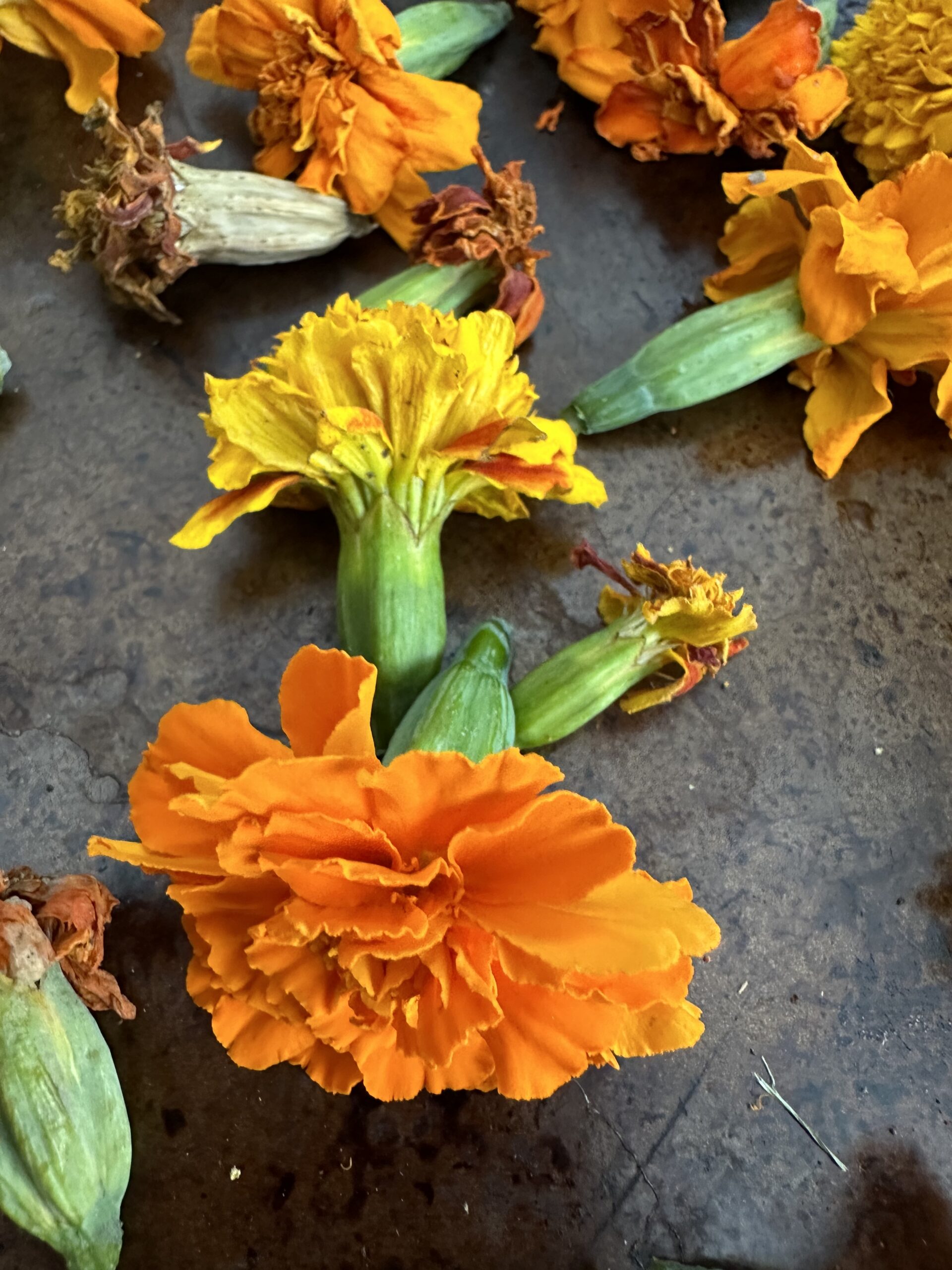
Marigolds – Hardy and pest-resistant, these sunny blooms also protect vegetables from unwanted bugs.
Zinnias – Fast-growing, colorful, and loved by bees and butterflies.
Sunflowers – Tall, cheerful, and incredibly easy. They grow quickly and bring instant delight.
Calendula – Not only pretty, but also edible and great for herbal remedies like salves and teas.
Cosmos – Delicate and wispy, cosmos add charm and require minimal effort to flourish.
Final Thoughts
You don’t need a green thumb or fancy tools to begin. Just a bit of curiosity, some sunshine, and a willingness to nurture something tiny into something beautiful. Start small, stay curious, and let your garden grow alongside you.
If you’re already gardening—or just getting started—I’d love to hear what you’re planting this season. Let’s grow together. ?
With dirt under our nails and joy in our hearts, Stacie
If you love my content and want more tools for mindfulness & movement, check out my digital products on Buy Me a Coffee! Your support helps me continue creating.
Looking for the tools and products I swear by? Visit myAmazon storefrontfor a handpicked collection of my favorite finds—from kitchen gadgets to wellness essentials. Click here to explore and shop my must-haves including gardening tools!
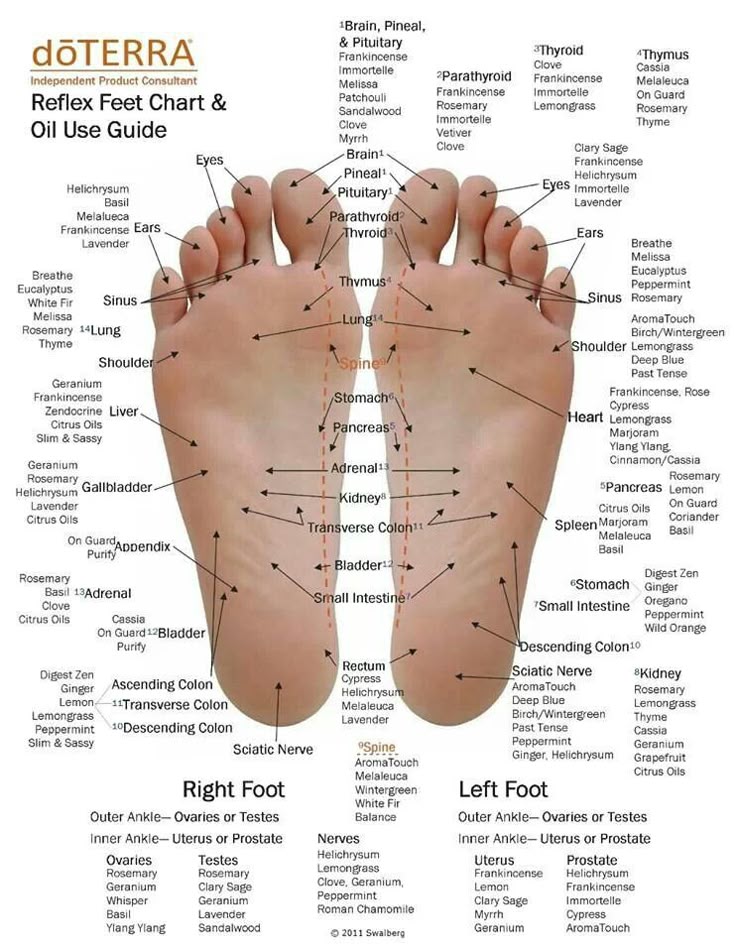
Lately, my evenings have felt especially hard—my body gets tense, my muscles ache, and my nerves feel like they’re buzzing under my skin. Even when I’m exhausted, I struggle to settle. If you know that tired-but-wired feeling… you are not alone. ?
For me, it often comes down to adrenal fatigue and high cortisol at night—a common challenge for anyone managing chronic stress or fibromyalgia. When the adrenals are constantly “on,” it’s hard for the nervous system to power down.
One thing that’s helped me so much is creating a consistent, gentle evening routine—especially using this calming essential oil blend designed to support the adrenals, ease the nervous system, and reduce those cortisol spikes that keep us restless.
Adrenal-Calming Oil Blend
Add to a 10–15 ml roller bottle with carrier oil (like fractionated coconut):
Bergamot – Uplifting – Gently boosts mood while easing anxiety.
Roman Chamomile – Soothing – Softens irritability and supports sleep.
I apply it to my lower back (over the adrenals), my heart, and wrists—and just breathe. Sometimes I’ll diffuse it too as I wind down for bed.
Pair this with soft lighting, some gentle breathing or stretching, and maybe a cozy tea or magnesium supplement… and you’ve got a ritual that reminds your body it’s safe to rest.
Let me know if you try the blend—or if you’re also riding that high-cortisol wave at night. We’re in this together. I am happy to mail you one to try! Also, looking for my favorite essential oil tools and supplies? I’ve curated a selection of my top-quality blends and tools over on my Amazon shop—everything I use in my evening routines and yoga offerings. Click here to explore and shop my must-have oils, diffusers, and more: www.amazon.com/shop/embracingspirityoga.
Happy exploring, and may these simple treasures bring calm and joy to your days!
If you love my content and want more tools for mindfulness & movement, check out my digital products on Buy Me a Coffee! Your support helps me continue creating.
Post-Hip Replacement Rehab Series Part 2 | Standing Strength & Stability with Chair Support
As we continue the Post-Hip Replacement Rehab Series, I’m excited to share Part 2, a gentle yet powerful practice focused on standing strength and stability.
After hip surgery, transitioning back into standing movements can feel intimidating. That’s why this session is designed to offer supportive, low-impact strength training—all with the help of a sturdy chair.
Chair-supported hip extensions to engage the glutes
Gentle squats to build foundational leg strength
Open-chain leg mobility work for increased range
Balance and coordination drills for safety and confidence
Breath-centered cues to calm your nervous system
This session is perfect whether you’re newly cleared to stand or working on gradually progressing your recovery. Move at your own pace, listen to your body, and remember—every small step is progress.
Let’s continue this journey together, standing strong with grace and care. With warmth, Stacie
If you love my content and want more tools for mindfulness & movement, check out my digital products on Buy Me a Coffee! Your support helps me continue creating.
Looking for the tools and products I swear by? Visit my Amazon storefront for a handpicked collection of my favorite finds—from kitchen gadgets to wellness essentials. Click here to explore and shop my must-haves.
Hip Rehab Part 1: How to Activate Key Muscles After Surgery
After six hip surgeries and countless rounds of rehab, I’ve learned that healing isn’t about doing more — it’s about doing what matters. Right now, that means going back to the foundation: muscle activation.
In this first post of my Hip Rehab Series, I want to share how I’m rebuilding strength from the inside out by focusing on simple but essential movements like pelvic tilts, bridges, and gentle core activation. These movements may look basic, but they’re powerful.
When you’ve been through injury, surgery, or chronic pain, certain muscles can go offline. Your body finds workarounds — compensating with tension, poor movement patterns, or even instability in surrounding joints.
Before jumping into strength work or balance drills, we need to wake up the core players
• Glutes (especially gluteus medius and maximus)
• Deep core (like the transverse abdominis)
• Lower back stabilizers
• Hip flexors (gently and intentionally)
These muscles stabilize the pelvis and hip, and their activation sets the stage for everything that follows.
My Go-To Rehab Movements
Here are the three foundational exercises I return to, again and again — whether I’m starting over after surgery or just checking in with my body on a tough day.
1. Pelvic Tilts
A gentle way to reconnect with the core and learn how to move the pelvis intentionally.
• How I do it: Lying on my back, knees bent, feet flat. I gently tilt the pelvis back to flatten the low back against the floor, then return to neutral.
• Why it works: Helps engage the deep abdominal muscles and creates awareness in the lumbar spine and pelvis
2. Bridges
A classic for good reason — bridges activate the glutes, open the front of the hips, and encourage pelvic stability.
• How I do it: Same position as pelvic tilts, but I press through my heels to lift my hips while squeezing my glutes — then lower slowly.
• Tips: I focus on slow, controlled movements and pause at the top to make sure I’m engaging the glutes (not just my lower back).
3. Basic Core Activation
I focus on breath-led activation — gently drawing in the lower belly on the exhale while maintaining relaxed shoulders and jaw.
• How I do it: Sometimes I place hands on my belly and ribs to feel the breath and deepen the connection.
• Why it helps: Creates a strong center to support hip and pelvic movement. Think of it as turning on the light switch before entering the room.
Why I’m Returning to These Basics
After all my surgeries — and especially this latest one — I’ve learned that healing isn’t linear. Sometimes, the best thing we can do is go back to the beginning with compassion and patience.
These foundational exercises help me:
Rebuild from a place of alignment
Reduce compensation patterns
Set the stage for long-term strength
They’re also a reminder that simple is not weak. These movements challenge me to slow down, breathe deeply, and move with awareness.
A Gentle Reminder
Whether you’re recovering from surgery or simply trying to reconnect with your body, these small movements matter. You don’t have to push through pain or skip steps. Healing happens in the quiet, intentional moments.
In my next post, I’ll share how I layer in functional strength and stability, but for now — I’m honoring this phase. One breath, one bridge, one tilt at a time.
Post-Hip Replacement Rehab Series ? Part 1 | Gentle Core & Hip Activation for Healing. If you would prefer a seated version of Hip Activation, please visit this video.
If you love my content and want more tools for mindfulness & movement, check out my digital products on Buy Me a Coffee! Your support helps me continue creating.
Savoring Summer: Everyday Joys and the Magic of Lemonade
There’s something about the approach of summer that invites a softer pace. The sunlight lingers just a little longer, the breeze carries the scent of blooming things, and the days—though still full—feel somehow slower, more intentional.
Maybe it’s the way we instinctively start shedding the extra layers—not just sweaters, but expectations too. We begin to crave ease, simplicity, and the kind of joy that doesn’t ask for anything extravagant. Joy that arrives quietly in the form of a glass of lemonade, cool condensation running down the side, as you sit outside and let the day settle around you.
Of childhood afternoons, back porches and carefree moments that didn’t need to be planned or posted or perfected. Just a slice of lemon, a spoonful of sugar, a little water, and the permission to pause.
That’s what summer whispers to us: pause. Be here now.
Before summer officially begins, I’m leaning into that energy. I’m letting the light teach me to soften. I’m rediscovering the happiness found in small things—fresh laundry hung in the sun, the sound of bees near lavender, the first bite of a perfectly ripe peach.
We don’t need to escape our lives to find joy. It’s right here in the ordinary, waiting to be noticed.
As we near the end of May, I’m also setting a few gentle summer goals—not rigid resolutions, but intentions rooted in presence and peace. Things like more evening walks, a little porch journaling, trying a new recipe with herbs from the garden, or reading something just for the joy of it.
Summer doesn’t need to be packed to be meaningful. Sometimes the best memories are made when we leave space for them to unfold naturally.
So here’s to making the most of the everyday. To barefoot mornings, homemade lemonade, and finding beauty in simplicity.
? What simple joy is calling to you this season? Maybe take a moment today to write down two or three soft summer goals—not to-do’s, but invitations.
No-Bake Peanut Butter Protein Bites A fun, healthy, protein-packed snack to fuel your day
There’s something so satisfying about a bite that’s equal parts creamy, crunchy, and just a touch sweet—and that delivers a burst of energy when you need it most. These no-bake peanut butter protein bites have become my go-to snack for everything from mid-afternoon pick-me-ups to pre-yoga fuel. They’re super simple to make, infinitely adaptable, and keep in the fridge for up to a week (if they last that long!).
Ingredients
1 cup creamy peanut butter (or any nut/seed butter you love)
½ cup old-fashioned oats
½ cup vanilla or unflavored protein powder
2–3 tbsp honey or maple syrup (adjust for sweetness)
1 tbsp chia seeds or ground flaxseed (optional boost of fiber)
2 tbsp mini dark chocolate chips (or cacao nibs)
A pinch of sea salt
Instructions
Combine base ingredients: In a medium bowl, stir together peanut butter, oats, protein powder, chia seeds (if using), and sea salt.
Sweeten & mix: Drizzle in honey or maple syrup, one tablespoon at a time, stirring after each addition, until the dough is slightly sticky but holds together when pressed.
Add mix-ins: Gently fold in the chocolate chips or cacao nibs.
Form the bites: Use a small cookie scoop or spoon to portion out about 1–1½ tablespoons of dough. Roll into a ball between your palms, pressing gently to keep the surface smooth.
Chill: Place the bites on a parchment-lined tray and chill in the refrigerator for at least 30 minutes to firm up.
Enjoy! Store in an airtight container in the fridge for up to 1 week, or freeze for longer storage.
Variations & Tips
Almond Joy: Swap peanut butter for almond butter and add shredded coconut.
Double Chocolate: Use chocolate protein powder and roll bites in cocoa powder.
PB&J Remix: Mix in freeze-dried raspberries or chopped dried cherries.
Seed Power: Add a tablespoon of pumpkin or sunflower seeds for extra crunch.
Why You’ll Love Them
Protein-packed: Perfect for muscle recovery or a sustained energy boost.
No-bake & easy: Ready in under 10 minutes, no oven required.
Customizable: Swap nut butters, mix-ins, or sweeteners to suit your taste.
Give these little power balls a try this week—stash them in your bag, on your desk, or next to your yoga mat for a wholesome treat whenever you need it.
If you love my content and want more tools for mindfulness & movement, check out my digital products on Buy Me a Coffee! Your support helps me continue creating.
Rebuilding Strength After Hip Replacement—A New Video Series By Stacie Wyatt
There was a time I never imagined I’d be here—recovering from my fourth surgery in twelve months, wondering if I’d ever feel strong again. For eighteen years, I taught barre, adaptive yoga, and mindful movement, sharing the body’s capacity for grace and resilience. But now the tables have turned: I’ve become the student of my own body, relearning how to stand, how to trust, how to rebuild strength from the ground up.
I’m excited (and a little nervous) to invite you into my healing journey with a brand-new YouTube series: “Post–Hip Replacement Comeback & Strength Program.” This is more than workouts—it’s my story, my sweat, my hope, and my promise that recovery can be transformative.
Each week, I’ll release a short, 4–6 minute video covering:
Foundational Activation (Episode 1): Simple core and hip-opening moves you can do supine or seated.
Standing Strength (Episode 2): Gentle weight-bearing exercises to rebuild stability.
Seated & Balance Work (Episode 3): Chair-based moves for confidence and coordination.
Mobility & Yoga Stretches (Episode 4): Soft, therapeutic stretches to support flexibility and ease.
Every session meets you where you are—whether you’re one week post-op or several months down the road. I’ll share safety tips, adaptations for pain or limited range of motion, and all the encouragement I’ve been using in my own practice.
Why I’m Doing This
Teaching yoga and pilates for two decades, I always believed in the body’s ability to heal itself. But living through my own surgeries has shown me a different side of strength—the vulnerability, the patience, and the radical self-compassion we need to truly recover.
This series is my way of turning that experience into something powerful and practical. I want you to know: if I can rebuild my strength, you can too.
If you’re ready to join me on this journey back to strength, head over to my YouTube channel and hit Subscribe (and that little notification bell) so you won’t miss a single episode. I’ll see you there—let’s rebuild together, one gentle movement at a time. ?
If you love my content and want more tools for mindfulness & movement, check out my digital products on Buy Me a Coffee! Your support helps me continue creating.
Exploring Yoga Beyond the Mat with Compassion and Care
Yoga is so much more than movement—it’s a path of deep inner connection. Rooted in the ancient teachings of the Yoga Sutras, the eight limbs of yoga offer a holistic guide for living a more mindful, compassionate, and centered life.
These limbs are not steps to climb or rules to follow. Instead, they are invitations—soft, spacious ways to return to yourself.
Over the past several weeks, I’ve lovingly reflected on each limb through the lens of gentleness, healing, and everyday practice. Whether you’re new to yoga or have been walking this path for years, I hope these reflections bring comfort, inspiration, and clarity to your journey.
Samadhi: The Quiet Union A state of inner wholeness, spaciousness, and connection to all that is.
Each link above leads to a full blog post where I share how these teachings have touched my own life—through recovery, through quiet practice, and through a love of yoga that has always been rooted in softness and soulfulness.
Whether you explore one limb at a time or simply read what calls to you, may you feel supported, inspired, and reminded that you are already whole.
If you love my content and want more tools for mindfulness & movement, check out my digital products on Buy Me a Coffee! Your support helps me continue creating.
Samadhi is often described as bliss, enlightenment, or union with the divine. But for me, it feels more like a soft exhale. A moment where everything falls away—and all that remains is peace. A glimmer of wholeness.
It is the final limb of yoga. But not a finish line.
Samadhi isn’t something we chase. It’s something that rises when we’ve softened, steadied, and surrendered—when we’ve tended to our bodies, breath, senses, and hearts with care.
It is the gift of presence fully realized.
The Spaciousness of Union
In Sanskrit, samadhi means “to bring together” or “to merge.” It is the merging of the individual self with something greater—a quiet knowing that we are not separate, not alone, not lost.
And yet… this experience isn’t loud or grand. It doesn’t always arrive with fireworks or certainty.
Sometimes, it feels like:
A deep moment of stillness after savasana.
A tear slipping down your cheek in meditation—without story or judgment.
A sunrise that holds you completely in its beauty.
A feeling of wholeness, even in pain.
Samadhi can be fleeting. It can last a breath, or a lifetime. But once we’ve touched it, even for a moment, we know: there is more to us than our worries, our roles, or our wounds.
There is peace underneath it all.
How I Touch Samadhi
I don’t claim to live in samadhi. But I do catch glimpses of it. Through steady practice. Through softness. Through surrender.
Sometimes, in the quiet after pranayama or meditation, I feel a shift—like I’ve slipped below the surface of doing and landed in simply being.
And that is enough.
The Gentle Arrival
Samadhi reminds us that yoga is not about striving—it is about remembering. Remembering our wholeness. Our connection to all that is. Our sacred belonging.
It’s the culmination of the eightfold path, yes—but it’s also the heart of the entire journey.
Whether you’re practicing breath, movement, stillness, or awareness, each moment is a thread leading you home.
You are already whole. Already worthy. Already deeply, beautifully connected.
If you love my content and want more tools for mindfulness & movement, check out my digital products on Buy Me a Coffee! Your support helps me continue creating.
There is a moment in stillness when effort dissolves. When the breath flows quietly, the mind softens, and the heart simply is. This is dhyana—the seventh limb of yoga.
Often translated as meditation, dhyana is more than a technique. It is a state of being. A soft, spacious awareness that arises when we’ve spent time tending the breath, steadying the mind, and drawing inward with care.
Dhyana is what happens when we stop trying to meditate and begin being with what’s here.
Meditation as a Gentle Relationship
I used to think meditation required silence, discipline, or a perfectly still mind. But over the years—and especially through pain and healing—I’ve learned that dhyana is much more tender than that.
It is sitting with yourself the way you’d sit with a dear friend: open, patient, without needing to fix or change anything.
It is staying.
In the discomfort. In the calm. In the mystery.
How I Practice Dhyana
Dhyana often arises naturally after practicing pratyahara (turning inward) and dharana (focused attention). It’s less about doing and more about allowing. About resting in awareness, however it shows up.
Here are a few gentle ways I ease into meditation:
Silent Sitting with the Breath – Simply being with the breath as it moves in and out, without needing to change it.
Loving-Kindness (Metta) Meditation – Silently offering phrases of compassion to myself and others: May I be safe. May I be well.
Guided Stillness – Using a soft voice or recorded meditation to anchor me in presence.
Open Awareness – Noticing sounds, sensations, or thoughts arise and pass like clouds in the sky.
There is no right way. No goal. Just presence.
Coming Home to Awareness
Dhyana reminds me that underneath all the doing is simply being. That the peace we seek is already within us, waiting in the quiet spaces between thoughts. It’s a returning—a homecoming to ourselves.
Even if you sit for just three minutes today, eyes closed, heart open—you are meditating.
If you love my content and want more tools for mindfulness & movement, check out my digital products on Buy Me a Coffee! Your support helps me continue creating.
There is something profoundly healing about choosing to place your full attention on just one thing.
In a world that pulls us in countless directions, dharana—the sixth limb of yoga—offers the gift of focus. A soft, steadying of the mind. A return to the present moment with care and devotion.
Translated from Sanskrit, dharana means concentration or single-pointed awareness. But to me, it’s less about forcing attention and more about gently gathering the scattered pieces of ourselves and bringing them back to center.
The Beauty of Gentle Focus
Dharana doesn’t require silence or stillness, though those can help. It simply asks us to be with something fully.
When I practice dharana, I often choose something simple, something I can return to again and again:
The rise and fall of my breath.
A flickering candle flame.
A word or mantra whispered slowly.
The sensation of my hands resting in my lap.
Distraction comes, of course. That’s part of being human. But dharana invites us not to judge the wandering, only to notice and begin again—with kindness.
How I Practice Dharana
As someone who lives with physical pain and deep healing, dharana has become a refuge. It helps quiet the mental chatter, soften the nervous system, and invite a felt sense of peace.
Here are some of the simple ways I invite dharana into my daily life:
Mantra Meditation – Repeating a word like peace, soham, or I am with each breath.
Focused Candle Gazing (Trataka) – Gently gazing at a candle for a few minutes, then closing the eyes and observing the after-image.
Breath Awareness – Simply staying with the inhale and exhale, letting each breath guide you back.
Mindful Movement – Moving slowly and intentionally, noticing every shift, stretch, or sensation.
Even tasks like kneading bread, watering plants, or sipping tea can become dharana when done with full awareness.
The Healing Power of Attention
Dharana reminds me that I don’t have to fix everything. I don’t have to do more. I can simply be with what is here—and that is enough.
It’s a soft practice, not a rigid one. A gentle anchoring in a moment of presence. A kind of inner sanctuary you can visit anytime, anywhere.
In a world that glorifies multitasking, choosing one thing becomes sacred.
If you love my content and want more tools for mindfulness & movement, check out my digital products on Buy Me a Coffee! Your support helps me continue creating.