Balancing Your Energy: An Introduction to Chakras, Crystals, Essential Oils & Yoga

Balancing Your Energy: An Introduction to Chakras, Crystals, Essential Oils & Yoga

In our fast-paced world, it’s easy to feel disconnected from ourselves—physically, emotionally, and spiritually. One gentle way to restore harmony is by tuning into the chakra system, the body’s energetic centers. This ancient system reminds us that healing often begins within, and that we are whole, vibrant beings made of energy, breath, and intention.

The chakras are seven main energy centers that run along the spine, each associated with specific emotional and physical states. When energy flows freely, we feel balanced and alive. When blocked, we might notice tension, fatigue, or emotional overwhelm.

Here’s a simple guide to each chakra—and how yoga, essential oils, and crystals can support balance and well-being:

Root Chakra (Muladhara)

Theme: Safety, stability, grounding

  • Yoga: Child’s pose, mountain pose
  • Oil: Vetiver, patchouli
  • Crystal: Red jasper, hematite
    Try standing barefoot on the earth and breathing deeply to feel grounded.

Sacral Chakra (Svadhisthana)

Theme: Creativity, pleasure, emotional flow

  • Yoga: Hip circles, goddess pose
  • Oil: Sweet orange, ylang ylang
  • Crystal: Carnelian
    Place a warm compress on your lower belly and breathe into your creative center.

Solar Plexus Chakra (Manipura)

Theme: Confidence, personal power

  • Yoga: Warrior II, boat pose
  • Oil: Lemon, ginger
  • Crystal: Citrine, tiger’s eye
    Use empowering affirmations like: “I am strong. I am capable.”

Heart Chakra (Anahata)

Theme: Love, compassion, connection

  • Yoga: Cobra pose, heart openers
  • Oil: Rose, geranium
  • Crystal: Rose quartz, green aventurine
    Place your hand on your heart and take three long breaths of love and kindness.

Throat Chakra (Vishuddha)

Theme: Communication, truth, expression

  • Yoga: Neck rolls, shoulder stand (modified)
  • Oil: Peppermint, eucalyptus
  • Crystal: Blue lace agate, aquamarine
    Journal your truth or speak an affirmation aloud.

Third Eye Chakra (Ajna)

Theme: Intuition, insight, inner wisdom

  • Yoga: Child’s pose, supported forward fold
  • Oil: Clary sage, frankincense
  • Crystal: Amethyst, lapis lazuli
    Meditate with your eyes closed and bring attention to the space between your eyebrows.

Crown Chakra (Sahasrara)

Theme: Spiritual connection, oneness

  • Yoga: Meditation, seated stillness
  • Oil: Lavender, sandalwood
  • Crystal: Clear quartz, selenite
    Practice stillness and visualize a gentle light above your head.

You don’t need to do everything all at once. Start small. Choose one chakra to focus on this week—use a crystal, diffuse an oil, or add a mindful movement. Energy healing is a journey, and the more we tend to our energy body, the more vibrant and aligned we feel. I have a full breakdown of each chakra that includes a yoga practice, discussion, and tips for balancing.

If you love my content and want more tools for mindfulness & movement, check out my digital products on Buy Me a Coffee! Your support helps me continue creating. 

Gratitude as a Path to Abundance

Gratitude as a Path to Abundance: More Than Just Money

When we hear the word “abundance,” our minds often leap to money, success, and material gain. But true abundance is much deeper than what we can count or measure. It’s the feeling of contentment after a good laugh, the peace of morning sunlight, the love in a quiet hug. Abundance, at its core, is a state of being.

Gratitude helps us see what’s already here. It softens our striving and reminds us of the everyday miracles we might overlook. With gratitude, we begin to notice the richness in our lives that has nothing to do with wealth or possessions.

Ways to Recognize Non-Tangible Abundance:

  • A conversation that nourishes the soul
  • The scent of blooming flowers in spring
  • A moment of silence where everything feels okay
  • A deep breath after a hard day
  • The inner strength that carried you through a storm

Practicing gratitude doesn’t mean ignoring challenges or pretending everything is perfect. It means making space to honor what’s good—even when life is messy.

A Simple Gratitude Practice:

Each evening this week, write down three things you’re grateful for that can’t be bought. Let this shift your awareness from “more” to “enough.” You might be surprised at how abundant your life already is.

Affirmation:

I honor the richness of my life. I am surrounded by quiet abundance.

Abundance blooms when we realize how much we already hold. Gratitude is the doorway.

If you love my content and want more tools for mindfulness & movement, check out my digital products on Buy Me a Coffee! Your support helps me continue creating. 

Lemon Blueberry Sourdough

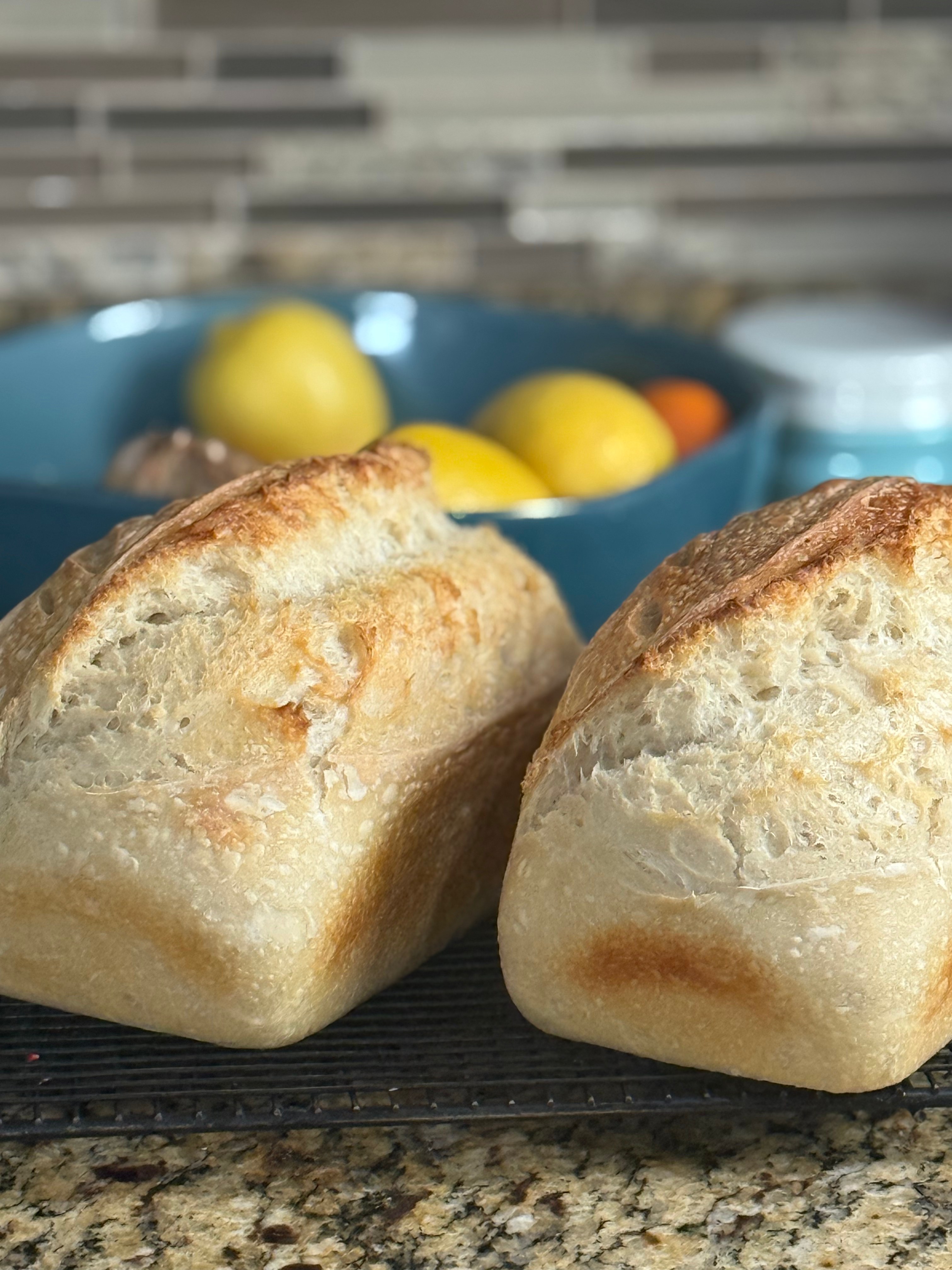
There’s something deeply grounding about mixing, folding, and baking. Since my surgeries, the kitchen has become more than just a space to prepare food—it’s become a place of presence and peace. When I bake, especially something bright and nurturing like this Lemon Blueberry Sourdough, I feel a connection to the rhythm of life again. The rising dough, the pop of juicy berries, the zest of lemon—it’s all a quiet reminder that healing takes time and joy can be found in simple rituals.

This loaf is subtly sweet, naturally leavened, and absolutely bursting with flavor. The combination of tart lemon and fresh (or frozen!) blueberries gives a burst of spring in every bite. Whether you’re baking to share or simply to nourish your own heart, this one’s a favorite.

Lemon Blueberry Sourdough Recipe

Ingredients:

  • 100g bubbly, active sourdough starter
  • 375g warm water
  • 500g bread flour (you can use a mix of all-purpose and bread flour too)
  • 10g salt
  • Zest of 1 large lemon
  • 1 cup fresh or frozen blueberries (toss in a bit of flour to prevent sinking)
  • Optional: 1 tbsp honey or maple syrup for a touch more sweetness

Instructions:

  1. Mix: In a large bowl, combine starter and water. Stir in flour until fully incorporated. Cover and rest (autolyse) for 30 minutes.
  2. Add Salt + Lemon Zest: Sprinkle salt and lemon zest on top of dough. Gently fold in until evenly mixed.
  3. Bulk Fermentation: Over the next 4–5 hours, perform stretch and folds every 30–45 minutes. Add blueberries gently during the second fold to avoid crushing them.
  4. Shape + Cold Proof: Shape your dough and place it in a floured banneton. Cover and refrigerate overnight (8–12 hours).
  5. Bake: Preheat oven to 475°F with Dutch oven inside. Score your loaf and bake covered for 20 minutes, then uncovered for another 20–25 minutes until golden brown.
  6. Cool: Let your loaf rest at least 1 hour before slicing (the hardest part!).

? A Gentle Reflection

As the loaf rises, so do we. Through setbacks, surgeries, uncertainty, and slow healing—rituals like baking remind us that care and consistency matter. I hope this lemon blueberry loaf brings some sunshine to your day and a sense of steadiness to your week.

If you make this recipe, I’d love to see it! Tag me on social media and let me know how yours turned out.

If you love my content and want more tools for mindfulness & movement, check out my digital products on Buy Me a Coffee! Your support helps me continue creating. 

18 Years of Adaptive Yoga: Healing Through Service

This month marks 18 years since I first began teaching adaptive yoga to people in assisted living communities. What started as a small offering has become a deep, lifelong calling—one that has transformed me as much as it’s supported those I’ve served.

Over nearly two decades, I’ve witnessed the incredible power of mindful movement, community connection, breathwork, and presence. I’ve seen how a simple chair yoga practice can bring light to someone’s eyes, offer relief from pain, or create a moment of true joy in the middle of a hard day. And in holding space for others, my own heart has found a kind of healing I never expected.

Especially in the past year—navigating multiple surgeries, physical limitations, and ongoing recovery—the foundation of service has kept me grounded. Even when I couldn’t teach in person, the energy of this work stayed alive through mentoring, podcasting, and online teaching. It reminded me that no matter our circumstances, we all have something to offer. Service doesn’t have to be big to be meaningful.

Benefits To Being of Service

There are so many benefits to being of service. It connects you to something bigger than yourself and creates a sense of purpose and belonging. It can ease anxiety, reduce stress, and even boost your mood. Research shows that acts of kindness release feel-good hormones like oxytocin, which support heart health and emotional resilience. Giving from the heart has a beautiful way of healing the heart.

What I’ve learned is this: Helping others is one of the most powerful ways to heal yourself. When you witness another’s resilience, you’re reminded of your own. When you offer compassion, it echoes right back into your own spirit. There is something sacred about showing up—for yourself and others—even when things are messy or uncertain.

So today, I celebrate this milestone not with fanfare, but with deep gratitude. For every student who has sat in a circle with me, every breath shared, every story held with tenderness—thank you. This path has shaped me, softened me, and given me purpose.

Here’s to many more years of mindful service. ?

If you love my content and want more tools for mindfulness & movement, check out my digital products on Buy Me a Coffee! Your support helps me continue creating. 

Rustic Sourdough Strawberry Pie

Rustic Sourdough Strawberry Pie (AKA: Sourdough Discard Strawberry Galette)

There’s something magical about taking a humble sourdough discard and turning it into a buttery, flaky crust for a rustic strawberry pie. This recipe is the perfect way to use up that leftover starter while indulging in the sweet, tangy goodness of fresh strawberries. With a touch of vanilla and a hint of lemon zest, this rustic sourdough strawberry pie is sure to steal the show at your next gathering.

The best part? It’s as easy as it is delicious—no fancy pie pan required, just a bit of love and a whole lot of flavor!

Crust Ingredients:

• 120g all-purpose flour

• 113g unsalted butter, cold and cubed

• 1 tbsp sugar

• ½ tsp salt

• 60g sourdough discard (unfed)

• 1–2 tbsp ice water, as needed

Filling Ingredients:

• 2 cups fresh strawberries, hulled and sliced

• 2 tbsp sugar (adjust to taste)

• 1 tbsp cornstarch or arrowroot powder

• ½ tsp vanilla extract

• Zest of half a lemon (optional)

Topping:

• 1 egg, beaten (for egg wash)

• Coarse sugar for sprinkling

Instructions:

1. Make the crust:

• In a bowl or food processor, mix flour, sugar, and salt.

• Cut in the cold butter until it resembles coarse crumbs.

• Add sourdough discard and mix until combined. If dry, add a little ice water until the dough comes together.

• Shape into a disk, wrap, and chill for 30–60 minutes.

2. Make the filling:

• Toss strawberries with sugar, cornstarch, vanilla, and lemon zest. Let sit for 10 minutes.

3. Assemble the galette:

• Preheat oven to 400°F (200°C).

• Roll out dough on parchment into a rough circle (about 12 inches).

• Pile strawberry mixture in the center, leaving a 2-inch border.

• Fold edges over the filling, pleating as you go.

• Brush crust with egg wash and sprinkle with coarse sugar.

4. Bake:

• Bake for 35–40 minutes, until golden brown and bubbly.

• Cool slightly before slicing.

Whether you’re baking for a special occasion or just treating yourself to a slice of homemade comfort, this rustic sourdough strawberry pie is a guaranteed crowd-pleaser.

The combination of tangy sourdough crust and sweet, juicy strawberries creates a balance of flavors that’s simply irresistible. So go ahead, grab a fork, and savor every bite of this delightful, seasonal treat. After all, good things—like this pie—are meant to be shared and enjoyed.

Happy baking!

If you love my content and want more tools for mindfulness & movement, check out my digital products on Buy Me a Coffee! Your support helps me continue creating. 

Daily Mindfulness Routine

“As you walk and eat and travel, be where you are. Otherwise, you will miss most of your life.” — Buddha

A Day in the Life: My Mindful Routine

Mindfulness is more than a practice—it’s a way of living that allows us to stay present, reduce stress, and embrace each moment with intention. Over the years, I’ve developed a daily routine that supports my healing, fosters inner peace, and helps me move through my day with more awareness and gratitude. In this post, I’ll walk you through my mindful routine, offering practical tips that you can incorporate into your own life. If you’d like a deeper dive, be sure to check out my podcast episode on this very topic!

Morning Mindfulness Rituals

The way we start our day sets the tone for everything that follows. Instead of rushing into the morning, I take time to ease in with intention.

  • Breath Awareness: Before getting out of bed, I take a few deep breaths, tuning in to my body and setting an intention for the day.
  • Gratitude Practice: I reflect on three things I’m grateful for, which shifts my mindset toward appreciation.
  • Gentle Movement: A short stretching or chair yoga practice helps awaken my body and ease any stiffness.
  • Mindful Sipping: I make my morning tea or coffee a ritual, savoring each sip instead of mindlessly drinking while multitasking.

Try This: Before reaching for your phone in the morning, take five deep breaths and set an intention for your day. Notice how it shifts your mindset!

Midday Practices for Presence and Grounding

The middle of the day can often feel hectic, so I incorporate small mindful moments to stay balanced and centered.

  • Mindful Eating: I slow down and focus on my meals, appreciating the flavors, textures, and nourishment they provide.
  • Stretch Breaks: Gentle stretching or a short movement break helps prevent stiffness and resets my energy.
  • Fresh Air & Stillness: Stepping outside, even for a few minutes, to breathe deeply and notice my surroundings keeps me grounded.
  • Pause & Reset: If I feel overwhelmed, I take a few conscious breaths to recenter.

Try This: Set a reminder on your phone to take a deep breath and stretch mid-afternoon. A few mindful moments can bring a fresh sense of clarity to your day.

Evening Wind-Down and Reflection

As the day comes to a close, I focus on slowing down and preparing my mind and body for rest.

  • Digital Detox: I set aside my phone at least an hour before bed to reduce stimulation.
  • Journaling: I write down a few reflections on my day, focusing on what brought me joy and what I learned.
  • Restorative Yoga or Breathwork: A few minutes of gentle stretching or deep breathing helps signal to my body that it’s time to relax.
  • Gratitude Reflection: Before closing my eyes, I think of three positive moments from my day.

Try This: Before bed, take a few moments to reflect on something that went well today. It can be a small win, a kind interaction, or a moment of peace.

Encouraging Your Own Mindful Routine

Mindfulness isn’t about perfection—it’s about presence. Your routine doesn’t have to look exactly like mine; the key is to find small, meaningful ways to weave mindfulness into your day. Whether it’s taking deep breaths in the morning, savoring your meals, or ending the day with gratitude, every mindful moment adds up to a more intentional life.

If you’re curious to hear more about how mindfulness supports my journey, tune in to my podcast episode, A Day in the Life: My Mindful Routine. I’d love to hear about your own mindful practices—feel free to share in the comments!

If you love my content and want more tools for mindfulness & movement, check out my digital products on Buy Me a Coffee! Your support helps me continue creating. 

The Power of Scent: My Signature Essential Oil Blend for Mind, Body, and Spirit

“The soul always knows what to do to heal itself. The challenge is to silence the mind.” — Caroline Myss

The Power of Scent: My Signature Essential Oil Blend for Mind, Body, and Spirit

For many years, I have worn a signature blend of essential oils that has become more than just a fragrance—it’s a daily ritual, a source of balance, and a reflection of my journey. This unique blend of tangerine, wild orange, patchouli, lavender, and Roman chamomile supports my emotional, spiritual, and physical well-being in profound ways. Each oil contributes its own therapeutic benefits, creating a harmonious synergy that uplifts, grounds, and soothes.

Emotional Benefits

The emotional power of scent is undeniable. Essential oils can directly impact our mood and emotions, providing comfort, inspiration, and peace.

  • Tangerine & Wild Orange – These citrus oils are known for their uplifting properties. They promote joy, creativity, and a sense of positivity, helping to dissolve feelings of stress and stagnation.
  • Patchouli – This deep, earthy scent is grounding and stabilizing. It helps ease anxiety, encourages self-acceptance, and fosters emotional resilience.
  • Lavender – A universal oil for relaxation, lavender calms the nervous system, reduces feelings of tension, and promotes inner peace.
  • Roman Chamomile – Known for its gentle yet powerful soothing effects, Roman chamomile supports emotional balance and helps ease irritability, restlessness, and worry.

Spiritual Benefits

Essential oils have been used for centuries in spiritual practices, meditation, and rituals. My blend enhances my spiritual connection by fostering mindfulness and presence.

  • Citrus oils (Tangerine & Wild Orange) encourage openness and creativity, making them excellent for setting intentions and manifesting positivity.
  • Patchouli is often associated with grounding and connecting to the earth’s energy, deepening meditation and promoting spiritual awareness.
  • Lavender & Roman Chamomile help cultivate a sense of serenity, aiding in deep breathing and enhancing moments of stillness and reflection.

Physical Benefits

Beyond their emotional and spiritual impact, these oils provide tangible physical benefits that contribute to overall well-being.

  • Citrus oils are rich in antioxidants and support immune function while promoting a sense of alertness and mental clarity.
  • Patchouli has anti-inflammatory properties and supports skin health, making it a great addition to a personal fragrance.
  • Lavender & Roman Chamomile are well known for their ability to ease muscle tension, support restful sleep, and promote relaxation.

How I Use My Blend

I apply this blend daily as a personal fragrance, diffusing it in my space, and using it as part of my mindfulness rituals. Whether I’m preparing for a meditation session, winding down for the evening, or simply looking for a boost of joy and balance, this blend is my go-to companion.

Essential oils hold the power to transform our mood, enhance our energy, and create a sense of inner harmony. My signature blend is more than just a scent—it’s a reflection of my journey and a tool for supporting my mind, body, and spirit each day.

Do you have a signature blend that you love? I’d love to hear about the scents that bring you peace and joy.

If you love my content and want more tools for mindfulness & movement, check out my digital products on Buy Me a Coffee! Your support helps me continue creating. 

The Healing Power of Giving: How Baking Bread Connects Me to Kindness

“The meaning of life is to find your gift. The purpose of life is to give it away.” — Pablo Picasso

The Healing Power of Giving: How Baking Bread Connects Me to Kindness

Pain has a way of making our world feel small. When we’re struggling—physically, emotionally, or spiritually—it’s easy to become consumed by what we’ve lost or what feels out of reach. For me, my journey with chronic pain and the inability to work in assisted living has been a deeply challenging transition. But I’ve found that one of the most powerful ways to shift my focus away from what I can’t do is to pour my energy into something kind, something bigger than myself. For me, that something is baking bread.

Every week, I bake fresh sourdough loaves for a church that feeds the homeless. There is something profoundly healing about mixing just three simple ingredients—flour, water, and salt—into a wholesome, nourishing loaf. But the true magic lies in the love and intention that go into each batch. With every stretch and fold of the dough, I pour in my care. As the bread rises, so does my heart. And when I place those warm loaves into the hands of someone in need, I feel a connection that transcends my own struggles.

Science supports this too.

Acts of kindness release endorphins, reduce stress, and even lower levels of pain. When we give from the heart, we create meaning in the midst of our own suffering. Baking bread has become more than just an act of service; it’s a form of therapy, a way to stay connected to purpose when my body limits me in other ways. It reminds me that even when I can’t show up in assisted living facilities like I once did, I can still contribute in a meaningful way.

I talk more about this on my podcast, where I share how acts of kindness can be a profound part of our own healing. If you’ve ever felt stuck in your own pain, I invite you to listen and explore ways to shift your focus outward. Maybe for you, it’s writing letters, making meals, or simply offering a kind word to someone in need. Whatever it is, I promise—it will not only lift others but will also lift you.

So, the next time you’re feeling lost in your own pain, ask yourself:

What can I do for someone else today? The answer might just bring a little healing to your own heart.

If you love my content and want more tools for mindfulness & movement, check out my digital products on Buy Me a Coffee! Your support helps me continue creating. 

Resetting the Nervous System

Resetting the Nervous System: A Daily Practice for Balance and Well-Being

In our fast-paced world, our nervous systems are often in a state of overdrive, leading to stress, fatigue, and emotional imbalance. I have personally experienced two significant times in my life when my nervous system went haywire—once due to extreme emotional stress and once due to intense physical stress. The first time, during a particularly challenging period of emotional upheaval, my body responded by holding onto weight, despite my efforts to maintain balance. The second time, just last year, my body went into survival mode again during a period of physical stress, leading to similar results. Both experiences highlighted how closely the nervous system and cortisol levels are tied to overall well-being.

The signals sent to my body to be in constant fight or flight have wrecked havoc on my physical body. Thankfully, I was able to have the awareness to make some changes before it was too late.

However, by incorporating simple daily practices, I am now actively working to reset and regulate my nervous system, bringing myself back to a place of balance and resilience. Through affirmations, breath practices, essential oils, circular movements, and self-love, I am supporting my body in lowering cortisol levels and fostering a sense of inner peace and stability.

1. Daily Affirmations for Nervous System Support

Our thoughts have a profound impact on our nervous system. When we speak kind and reassuring words to ourselves, we activate the parasympathetic nervous system, which promotes relaxation and healing. Try starting your day with affirmations such as:

  • “I am safe, supported, and at ease.”
  • “My body knows how to heal and restore balance.”
  • “I choose peace in this moment.”

2. Breath Practices to Activate Calm

Breathwork is one of the most effective ways to regulate the nervous system. Conscious breathing techniques stimulate the vagus nerve, helping to shift the body out of fight-or-flight mode and into a state of relaxation. Consider practicing:

  • Box Breathing: Inhale for four counts, hold for four, exhale for four, hold for four. Repeat.
  • Extended Exhale Breathing: Inhale for four counts, exhale for six to eight counts, encouraging deeper relaxation.

3. Essential Oils for Grounding and Soothing

Aromatherapy can support nervous system regulation by engaging the senses and promoting calm. Essential oils like basil, thyme, lavender, copaiba, chamomile, and frankincense have been shown to reduce stress and anxiety. Try:

  • Diffusing oils in your space.
  • Applying diluted oils to pulse points.
  • Inhaling deeply from a drop on your palms before meditation or sleep.

4. Circular Movements to Release Tension

Gentle, circular movements help release stored tension in the body and regulate the nervous system. Movements like spinal rolls, shoulder circles, and gentle rocking motions encourage relaxation and fluidity. You can incorporate these into your morning routine or use them as a midday reset when stress arises.

5. Daily Self-Love Practices

Self-love is the foundation of a regulated nervous system. Taking time to nurture yourself through small, intentional acts creates a sense of safety and inner harmony. This might include:

  • Journaling love letters to yourself about what you’re grateful for.
  • Taking mindful walks in nature and loving on your ability to move mindfully.
  • Practicing self-compassion and speaking kindly to yourself.

Bringing It All Together

By weaving these practices into my daily life, I am creating a powerful toolkit for nervous system regulation and cortisol balance. Each small action—whether it’s an affirmation, a breath practice, or a moment of self-care—helps me build resilience and restore balance. Over time, these mindful habits are supporting my well-being, allowing me to move through life with greater ease, clarity, and inner peace. And, I just might release the extra weight that has made its way back.

Watch this vulnerable video on how the unsettled nervous system has affected me this last year.

If you love my content and want more tools for mindfulness & movement, check out my digital products on Buy Me a Coffee! Your support helps me continue creating.

Golden Turmeric Latte

Cozy & Nourishing Golden Turmeric Latte

As we transition through February’s chilly days, there’s nothing quite as comforting as a warm, nourishing drink. This Golden Turmeric Latte is not only cozy but also packed with anti-inflammatory benefits, making it perfect for supporting your body—especially if you’re on a healing journey.

Why Turmeric?

Turmeric is a powerhouse spice known for its anti-inflammatory and immune-boosting properties. Curcumin, its active compound, can help reduce pain and inflammation, making this latte a great addition to your daily routine—especially if you’re dealing with recovery, joint pain, or simply the winter blues.

Ingredients:

  • 1 cup milk of choice (almond, oat, coconut, or dairy)
  • 1/2 teaspoon ground turmeric
  • 1/4 teaspoon ground cinnamon
  • 1/4 teaspoon ground ginger
  • 1 teaspoon honey or maple syrup (adjust to taste)
  • 1/2 teaspoon vanilla extract
  • 1 pinch black pepper (enhances curcumin absorption)
  • Optional: 1/2 teaspoon coconut oil (for a creamier texture)

Instructions:

  1. In a small saucepan, warm the milk over medium heat. Do not boil.
  2. Add the turmeric, cinnamon, ginger, black pepper, and coconut oil (if using). Whisk well.
  3. Let it simmer for about 3–5 minutes, stirring occasionally.
  4. Remove from heat and stir in the vanilla and sweetener of choice.
  5. Pour into a mug, sprinkle with a dash of cinnamon, and enjoy!

Variations:

  • Extra Healing: Add a small scoop of collagen powder for added joint support.
  • Spicy Kick: A pinch of cayenne pepper can boost circulation and warmth.
  • Iced Version: Blend with ice for a refreshing golden milk smoothie.

This latte is a simple yet powerful way to support your well-being and embrace the last weeks of winter with warmth and care. Let me know if you try it—I’d love to hear your thoughts! ??


From “I Can” to “I Can’t”—And Learning to Be Okay with That

For most of my life, I have been an “I can” person. I can push through. I can figure it out. I can keep going, no matter what. That mindset carried me through challenges, fueled my passions, and shaped the way I moved through the world. But this past year—facing three hip surgeries, constant pain, and now preparing for yet another grueling surgery—has taught me a lesson I never expected: it’s okay to say “I can’t.”

At first, those words felt foreign, almost like giving up. I resisted them, believing that if I just tried harder, pushed a little more, I could still do everything I used to. But the reality of my healing journey forced me to pause.

I began to recognize that saying “I can’t” wasn’t about weakness—it was about truth.

It was about listening to my body instead of fighting against it. It was about setting boundaries, asking for help, and honoring what I needed, not just what I wanted to be able to do.

Learning to accept “I can’t” has brought an unexpected sense of peace. It has opened the door to self-compassion, allowing me to focus on what I can do in this season of life—whether that’s gentle movement, meaningful connection, or simply resting without guilt. It has shown me that strength isn’t measured by how much we push through, but by how well we adapt, accept, and allow ourselves to be human.

The Benefits of Accepting Limitations

Accepting our limitations doesn’t mean giving up—it means making space for a different kind of growth. Here are a few ways this shift has been a gift in my life:

  1. Less Pressure, More Peace – Releasing the need to always push forward has allowed me to be more present. Instead of feeling like I’m falling short, I’m learning to embrace where I am.
  2. Deeper Self-Compassion – Saying “I can’t” doesn’t mean I’m failing; it means I’m honoring my needs. This mindset shift has allowed me to treat myself with the same kindness I would offer a loved one.
  3. More Meaningful Connections – When I let go of the need to do everything on my own, I opened myself up to receiving help and support from others. That vulnerability has deepened my relationships in ways I never expected.
  4. Redefining Strength – True strength isn’t about endurance at all costs; it’s about knowing when to pause, when to ask for help, and when to let go.
  5. Finding New Possibilities – While I may not be able to do certain things the way I used to, I’ve discovered new ways to move, teach, and connect. Accepting my limitations has made room for fresh opportunities.

If you’re struggling with your own limitations—whether physical, emotional, or something else entirely—know that “I can’t” is not the end of your story. It’s an invitation to shift, to soften, and to embrace life as it is, rather than how we think it should be. And sometimes, that shift brings more healing than any amount of pushing ever could.

For me, I have even learned that saying “I can’t” to mowing the lawn or doing heavier house work has brought so much freedom into my life. I never thought I would be okay with handing over the reigns of the lawn mower to a paid yard boy but it is truly amazing!

Have you ever had to learn to be okay with saying “I can’t”? I’d love to hear your thoughts and experiences. ?

If you love my content and want more tools for mindfulness & movement, check out my digital products on Buy Me a Coffee! Your support helps me continue creating. 

February

February is a month of transition, love, and quiet resilience. The shortest month of the year, it carries the lingering stillness of winter while hinting at the promise of spring. It’s a time for warmth in small moments—steaming mugs of tea, cozy blankets, and heartfelt connections.

Symbolically, February is tied to love and self-compassion, with Valentine’s Day reminding us to nurture not just relationships with others, but also with ourselves.

Nature remains in hibernation, yet subtle shifts begin—a slightly longer day, a gentler breeze, the first signs of renewal. February teaches us to embrace patience, self-care, and the quiet beauty of growth beneath the surface.

A Month of Self-Love & Sweet Moments

February is a great time to focus on heart centered thoughts and actions. For many this includes showering others with love. This is also a great time to love on yourself. This month, I intend to plan a lot of fun online offerings around what it really means to live a heart centered life.

What is Heart Centered Living?

Heart-centered living is a way of approaching life with awareness, compassion, and authenticity. It means making choices based on love, kindness, and inner wisdom rather than fear, external pressures, or ego-driven desires. When you live heart-centered, you prioritize emotional well-being, meaningful connections, and alignment with your true values.

Some key aspects of heart-centered living include:
 Self-awareness & intuition – Listening to your inner voice and making choices that align with your soul’s truth.
 Compassion & kindness – Treating yourself and others with understanding, love, and non-judgment.
 Gratitude & presence – Appreciating the present moment and cultivating a sense of joy in everyday life.
 Authenticity – Living in alignment with who you truly are, without pretending or people-pleasing.
 Connection – Prioritizing deep, meaningful relationships with others and the world around you.

Final February Thoughts

As we enter into this finally month of winter and focus on love, let’s remember these simple ways to practice self love.

Self-Love Reminder: You deserve rest. You deserve joy. You deserve to treat yourself the way you would a dear friend.

Have a Mindful Treat: Whether it’s a piece of dark chocolate, a homemade baked good, or a warm cup of cocoa, take a moment to truly savor something sweet—without guilt, just love.

Gentle Affirmation Practice: Try placing a hand over your heart, closing your eyes, and whispering:
“I am worthy, enough and I am loved.”

What is on tap for your February? Here is more inspiration and tons of recipes!